Top Trends in Event Planning for 2023
Event planning is evolving rapidly, and staying ahead of the curve is essential for success. As we dive into 2023, several trends are shaping the landscape of event planning. From sustainability to technology integration, these trends are not just passing fads; they are transforming how we conceptualize, organize, and execute events. In this post, we will explore the top trends in event planning for 2023, providing insights and practical examples to help you navigate this dynamic field.
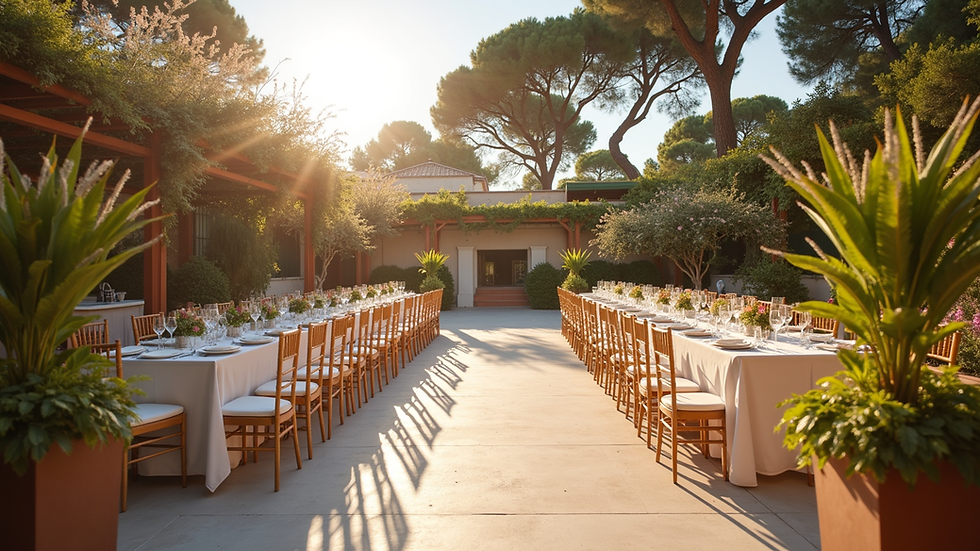
Emphasis on Sustainability
Sustainability is no longer just a buzzword; it has become a fundamental principle in event planning. As awareness of environmental issues grows, event planners are increasingly prioritizing eco-friendly practices. Here are some ways sustainability is influencing event planning in 2023:
Green Venues: Many event planners are opting for venues that prioritize sustainability. This includes locations that use renewable energy, have waste reduction programs, and promote local sourcing of materials.
Eco-Friendly Materials: From biodegradable utensils to recycled decorations, using sustainable materials is becoming the norm. Planners are also encouraging attendees to bring reusable items, reducing single-use plastics.
Carbon Offsetting: Some events are incorporating carbon offset programs, allowing attendees to contribute to environmental projects that counterbalance the carbon footprint of the event.
For example, the Green Event Conference in San Francisco showcases how sustainable practices can be integrated into large-scale events, setting a benchmark for others to follow.
Technology Integration
In 2023, technology continues to play a pivotal role in event planning. The integration of innovative tools enhances the attendee experience and streamlines event management. Here are some key technological trends:
Virtual and Hybrid Events: The rise of virtual and hybrid events has transformed how we connect. Planners are using platforms that allow for seamless interaction between in-person and online attendees, expanding reach and engagement.
Event Apps: Customized event apps are becoming essential. They provide attendees with schedules, maps, and networking opportunities, all in one place. Features like live polling and Q&A sessions enhance interactivity.
Augmented Reality (AR) and Virtual Reality (VR): AR and VR technologies are being used to create immersive experiences. For instance, planners can offer virtual tours of venues or use AR to enhance presentations.
An example of successful technology integration is the CES (Consumer Electronics Show), which has embraced hybrid formats, allowing global participation while showcasing the latest innovations.
Personalization of Experiences
Personalization is a key trend that enhances attendee satisfaction. In 2023, event planners are focusing on creating tailored experiences that resonate with individual preferences. Here’s how:
Customized Agendas: Attendees appreciate having the option to choose sessions that align with their interests. Planners are offering customizable agendas that allow participants to select topics relevant to them.
Personalized Communication: Using data analytics, planners can send targeted communications to attendees, ensuring they receive information that matters most to them.
Unique Experiences: From interactive workshops to themed networking events, planners are curating unique experiences that leave a lasting impression.
For instance, the SXSW (South by Southwest) festival is known for its personalized approach, offering a wide range of sessions and activities that cater to diverse interests.
Focus on Health and Safety
The ongoing impact of the pandemic has made health and safety a top priority in event planning. In 2023, planners are implementing measures to ensure the well-being of attendees. Key strategies include:
Health Protocols: Many events are adopting health protocols such as contactless registration, temperature checks, and sanitation stations to create a safe environment.
Flexible Policies: Planners are offering flexible cancellation and refund policies to accommodate changing circumstances, providing peace of mind for attendees.
Wellness Activities: Incorporating wellness activities, such as yoga sessions or mindfulness workshops, helps attendees recharge and promotes overall well-being.
An example of a successful health-focused event is the Wellness Summit, which emphasizes health and safety while providing valuable content to attendees.
Creative Venue Selection
As event planners seek to create memorable experiences, the choice of venue is becoming more creative and unconventional. In 2023, planners are exploring unique locations that enhance the event's theme and atmosphere. Here are some trends in venue selection:
Non-Traditional Spaces: Warehouses, art galleries, and outdoor parks are gaining popularity as event venues. These spaces offer a blank canvas for creativity and can be transformed to fit any theme.
Destination Events: Planners are organizing events in unique destinations, allowing attendees to combine business with leisure. This trend not only enhances the experience but also attracts a broader audience.
Pop-Up Events: Temporary venues, such as pop-up shops or installations, are becoming a trend. These events create a sense of urgency and exclusivity, drawing in attendees eager to experience something new.
For example, the Art Basel event showcases how unconventional venues can elevate the overall experience, attracting art enthusiasts from around the world.
Enhanced Networking Opportunities
Networking remains a crucial aspect of events, and in 2023, planners are finding innovative ways to facilitate connections among attendees. Here are some strategies being employed:
Structured Networking Sessions: Planners are incorporating structured networking sessions, such as speed networking or roundtable discussions, to encourage meaningful interactions.
Interactive Activities: Engaging activities, such as team-building exercises or icebreaker games, help attendees connect in a relaxed environment.
Networking Apps: Many events are utilizing networking apps that allow attendees to connect before, during, and after the event, fostering ongoing relationships.
An example of effective networking is the TechCrunch Disrupt, which offers various networking opportunities, helping startups and investors connect.
Conclusion
As we navigate through 2023, the trends in event planning reflect a shift towards sustainability, technology integration, personalization, health and safety, creative venue selection, and enhanced networking opportunities. By embracing these trends, event planners can create memorable experiences that resonate with attendees and meet their evolving needs.
The future of event planning is bright, and staying informed about these trends will empower planners to innovate and excel in their craft. Whether you are a seasoned planner or just starting, consider how these trends can be integrated into your next event to create a lasting impact.


Comments