Essential Tips for a Flawless Event Experience
Planning an event can be both exciting and daunting. Whether it's a wedding, a birthday party, or a corporate gathering, the goal is to create a memorable experience for all attendees. However, the path to a flawless event can be filled with challenges. This guide will provide you with essential tips to ensure your event runs smoothly and leaves a lasting impression.

Understanding Your Audience
Before diving into the logistics, it's crucial to understand who your audience is. Knowing your guests will help tailor the event to their preferences and expectations. Consider the following:
Demographics: Age, gender, and cultural background can influence the type of event you plan.
Interests: What activities or themes resonate with your audience? For example, a younger crowd might enjoy interactive games, while an older audience may prefer a more formal setting.
Expectations: What do your guests expect from the event? This could range from entertainment to networking opportunities.
By understanding your audience, you can create an event that feels personalized and engaging.
Setting a Clear Objective
Every successful event starts with a clear objective. What do you want to achieve? Here are some common objectives:
Celebration: Marking a special occasion, such as a wedding or anniversary.
Networking: Providing opportunities for attendees to connect and build relationships.
Education: Sharing knowledge or skills through workshops or seminars.
Once you have a clear objective, it will guide your planning decisions, from the venue to the activities.
Budgeting Wisely
A well-planned budget is essential for a successful event. Here are some tips for effective budgeting:
Create a Detailed Budget: List all potential expenses, including venue rental, catering, decorations, and entertainment. This will help you avoid overspending.
Prioritize Expenses: Identify which elements are most important to your event and allocate funds accordingly. For example, if food is a priority, ensure you set aside a larger portion of your budget for catering.
Include a Contingency Fund: Unexpected expenses can arise, so it's wise to set aside 10-15% of your budget for emergencies.
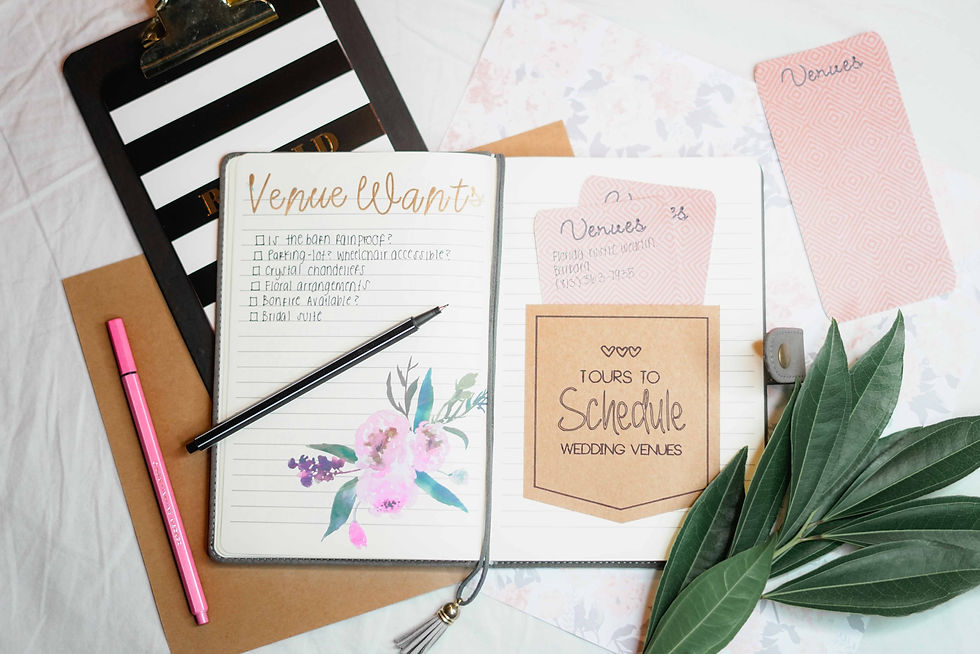
Choosing the Right Venue
The venue sets the tone for your event, so choose wisely. Consider the following factors:
Capacity: Ensure the venue can comfortably accommodate your guests. A cramped space can lead to discomfort, while an overly large venue may feel empty.
Location: Choose a location that is easily accessible for your guests. Consider parking options and public transportation availability.
Ambiance: The venue's decor and atmosphere should align with your event's theme. For example, a rustic wedding may be best suited for a barn or outdoor setting.
Planning the Agenda
A well-structured agenda keeps the event flowing smoothly. Here are some tips for creating an effective agenda:
Time Management: Allocate specific time slots for each activity, including speeches, entertainment, and breaks. This helps keep the event on track.
Flexibility: While it's important to stick to the agenda, be prepared for unexpected changes. Allow some buffer time for activities that may run over.
Engagement: Incorporate interactive elements to keep guests engaged. This could include Q&A sessions, live polls, or networking breaks.
Catering to Your Guests
Food and beverages play a significant role in the overall experience. Here are some catering tips:
Menu Selection: Choose a menu that caters to various dietary preferences, including vegetarian, vegan, and gluten-free options. This ensures all guests feel included.
Presentation: The way food is presented can enhance the dining experience. Consider using elegant serving dishes and creative displays.
Timing: Coordinate with the catering team to ensure food is served at the right time. Cold food served too late can leave a negative impression.
Creating a Memorable Atmosphere
The atmosphere of your event can significantly impact guests' experiences. Here are some ways to enhance the ambiance:
Lighting: Use lighting to create a mood. Soft, warm lighting can create an intimate setting, while bright lights may energize the space.
Decor: Choose decorations that align with your theme. This could include centerpieces, table settings, and wall art.
Music: Select background music that complements the event's tone. Live music can create a lively atmosphere, while soft instrumental music may suit a formal gathering.
Engaging Entertainment
Entertainment can elevate your event and keep guests entertained. Consider the following options:
Live Performances: Hiring a band, DJ, or entertainer can create a lively atmosphere. Ensure they align with your audience's preferences.
Interactive Activities: Incorporate games or activities that encourage guest participation. This could include photo booths, trivia games, or workshops.
Speakers: If your event has an educational component, consider inviting a guest speaker to share insights or experiences.
Effective Communication
Clear communication is essential for a successful event. Here are some tips:
Pre-Event Communication: Send out invitations well in advance and provide all necessary details, including date, time, location, and dress code.
On-Site Signage: Use signage to guide guests throughout the venue. This can include directional signs, schedules, and information about activities.
Feedback Mechanism: After the event, consider sending out a survey to gather feedback. This can help you improve future events.
Managing Logistics
Logistics can make or break an event. Here are some key areas to focus on:
Setup and Breakdown: Plan for the setup and breakdown of the event space. Ensure you have a team in place to handle these tasks efficiently.
Technology: If your event involves presentations or performances, ensure all necessary technology is in place and functioning. This includes sound systems, projectors, and Wi-Fi.
Staffing: Hire enough staff to manage the event smoothly. This includes servers, coordinators, and security personnel.
Preparing for the Unexpected
No matter how well you plan, unexpected issues can arise. Here are some tips for handling surprises:
Stay Calm: Maintain a positive attitude and approach problems with a solution-oriented mindset.
Have a Backup Plan: Prepare for potential issues, such as bad weather for outdoor events. Have an alternative venue or plan in place.
Delegate Responsibilities: Ensure your team knows their roles and can step in if needed. This helps distribute the workload and reduces stress.
Post-Event Follow-Up
After the event, it's important to follow up with guests and stakeholders. Here are some steps to take:
Thank You Notes: Send personalized thank you notes to attendees, sponsors, and vendors. This shows appreciation and strengthens relationships.
Review Feedback: Analyze feedback from surveys to identify areas for improvement. This can help you enhance future events.
Share Highlights: Consider sharing photos or highlights from the event on your website or through email. This keeps the excitement alive and engages your audience.
Conclusion
Planning a flawless event requires careful consideration and attention to detail. By understanding your audience, setting clear objectives, budgeting wisely, and managing logistics effectively, you can create an unforgettable experience. Remember to stay flexible and prepared for the unexpected, and your event is sure to be a success.
Take these tips to heart, and start planning your next event with confidence!


Comments